Restaurante Halal en Madrid – Cocina Persa Iraní Auténtica | PARSI 4.8⭐
¿Buscas un restaurante halal en Madrid con cocina auténtica y personalidad propia? PARSI ofrece una experiencia gastronómica iraní única en el centro de la ciudad — donde la tradición persa y los estándares halal se combinan para crear algo genuinamente especial cerca de Plaza de España.
Galardonado con el Premio TripAdvisor Travellers’ Choice 2025, valorado con 4.8⭐ en TripAdvisor y 4.7⭐ en Google, PARSI es el restaurante halal de referencia en el centro de Madrid para clientes locales y visitantes internacionales.

PARSI — Restaurante Halal con Identidad Persa
PARSI no es simplemente un restaurante halal en Madrid — es un espacio donde la gastronomía iraní auténtica cobra vida bajo estándares halal rigurosos. Cada plato de nuestra carta se elabora con carne halal certificada, respetando la profundidad, el aroma y el equilibrio que definen la cocina persa tradicional.
Nuestro compromiso va más allá de la certificación. Desde la selección de ingredientes hasta las técnicas de cocción lenta transmitidas de generación en generación, comer en PARSI significa elegir comida con integridad, cultura y sabor real.
Cocina Halal Persa — Tradición y Sabor Auténtico
La cocina iraní es una de las tradiciones culinarias más antiguas del mundo. No es picante, no es rápida — es sofisticada, aromática y de cocción lenta. En PARSI, nuestra carta halal refleja esta filosofía:
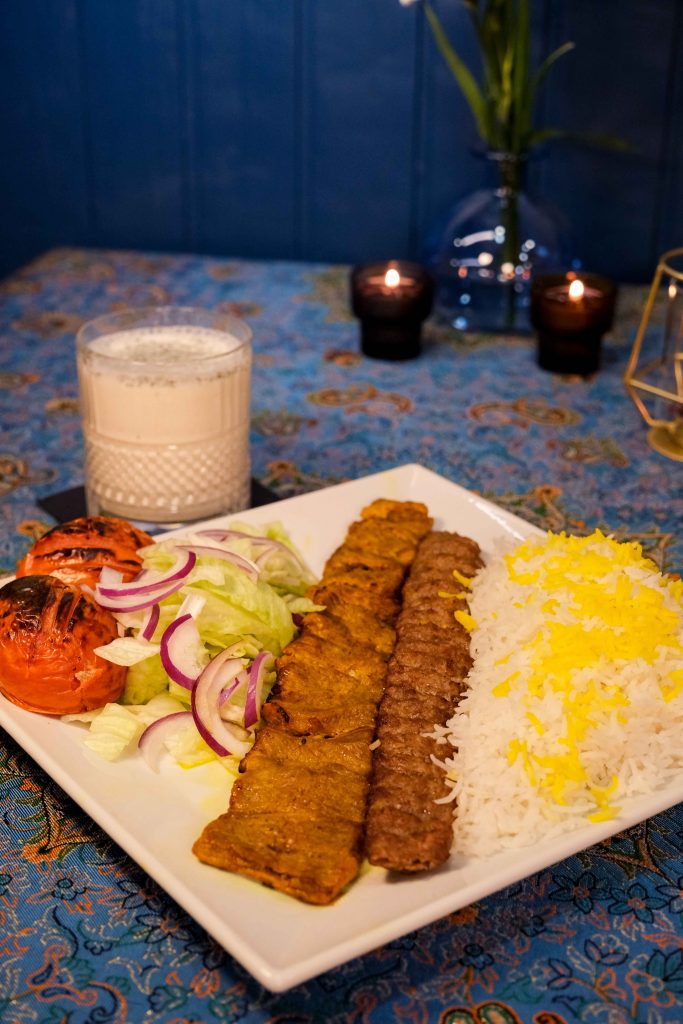
- Koobideh & Joojeh Kebab — a la parrilla con azafrán y especias persas tradicionales
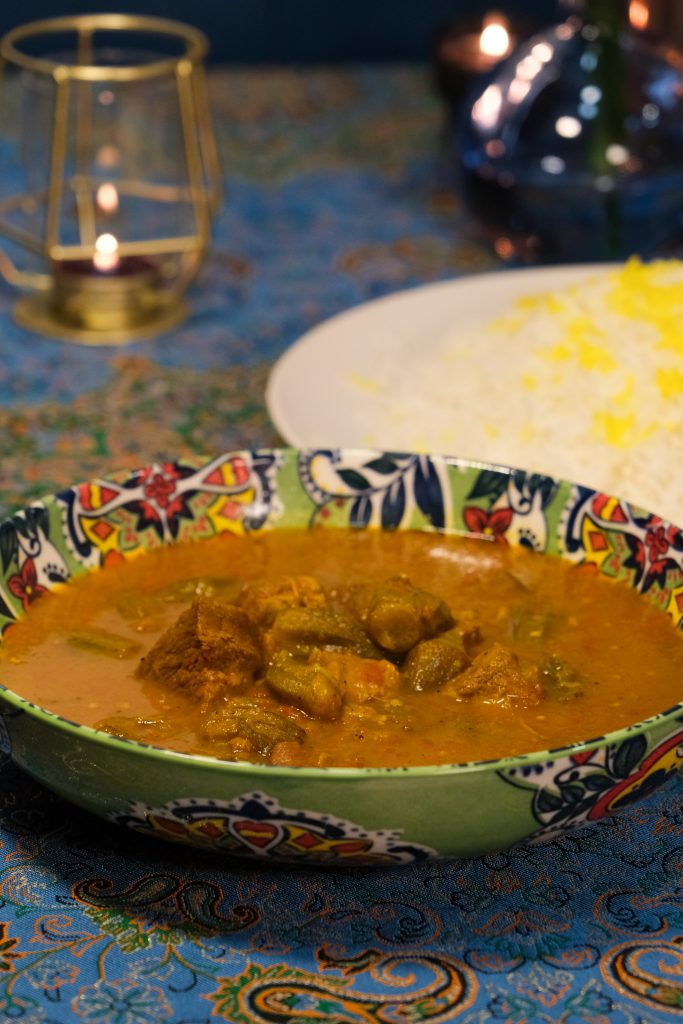
- Ghormeh Sabzi — el icónico guiso persa de hierbas con cordero y lima seca, cocinado a fuego lento durante horas
- Fesenjan — guiso de granada y nuez con pollo tierno, un plato sin equivalente en ninguna otra cocina
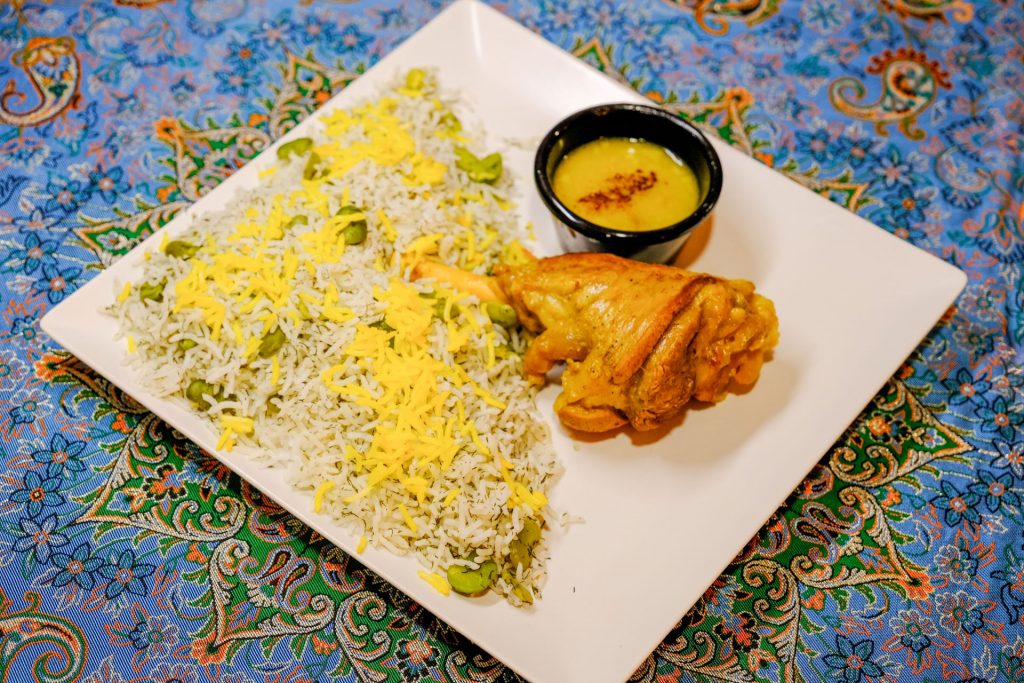
- Zereshk Polo ba Morgh — arroz basmati con azafrán y berberís con pollo, un clásico iraní
- Bamyeh — guiso de okra y cordero en salsa rica de ajo y tomate
- Sultani — la combinación premium de solomillo Barg y Koobideh de cordero
Todos nuestros platos se elaboran con carne halal certificada, con mimo y se sirven en un entorno que honra la hospitalidad iraní.
Restaurante Halal cerca de Plaza de España
PARSI está ubicado en Calle Luisa Fernanda 8, a pocos minutos de Plaza de España y perfectamente comunicado con el centro de Madrid.
Nuestra ubicación privilegiada nos convierte en una de las opciones de restaurante halal más accesibles de la capital. Tanto si eres turista explorando Madrid como residente local en busca de comida halal de calidad, en PARSI encontrarás exactamente lo que buscas — autenticidad, calidad y un ambiente acogedor en el corazón de la ciudad.
Para Quién es PARSI
Nuestro restaurante halal en Madrid es ideal para:
- Viajeros musulmanes que buscan restaurante halal de confianza en el centro de Madrid
- Turistas internacionales que descubren la cocina persa por primera vez
- Residentes de Madrid que buscan una opción halal diferente y auténtica
- Familias y parejas que buscan una cena tranquila y elegante
- Grupos y celebraciones que quieren un ambiente cuidado y un menú con personalidad
PARSI frecuentemente está al completo. Se recomienda reservar con antelación.
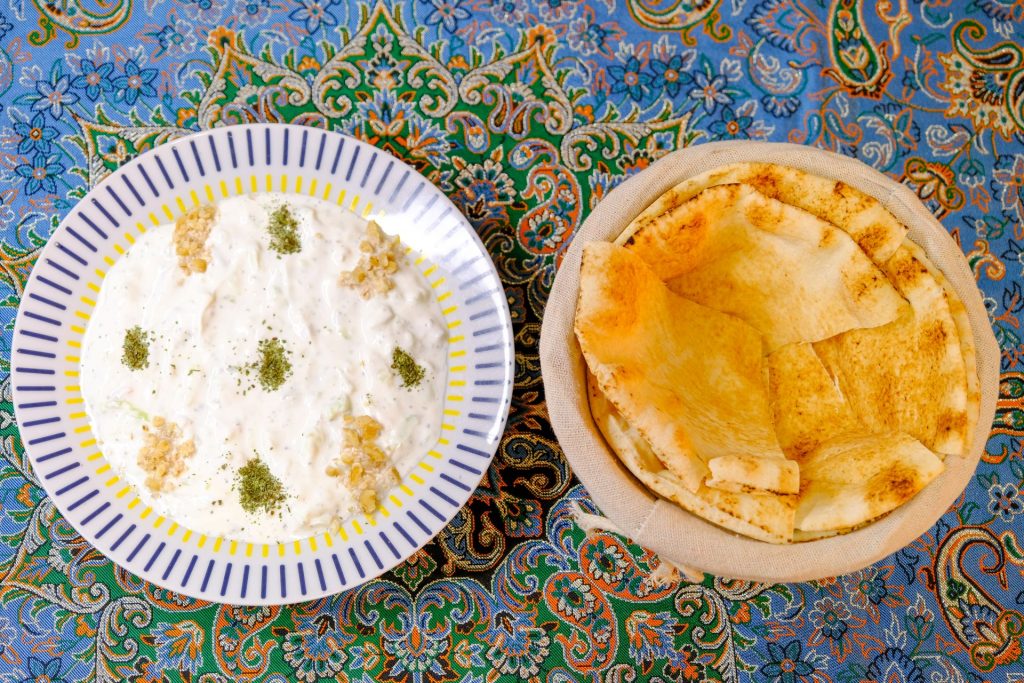
Lo Que Dicen Nuestros Clientes
“El mejor restaurante halal que hemos encontrado en Madrid. Comida auténtica, ambiente precioso y un trato excelente.”
“Llevábamos tiempo buscando un restaurante halal de verdad en Madrid. PARSI superó todas las expectativas — cocina iraní real, no una versión adaptada.”
“El Ghormeh Sabzi como en Teherán. Volvemos cada vez que venimos a Madrid.”
“Ambiente elegante, comida halal certificada y un servicio cercano y profesional. Nuestra referencia en Madrid.”
— Opiniones de TripAdvisor · Valorado 4.8⭐ en TripAdvisor · 4.7⭐ en Google
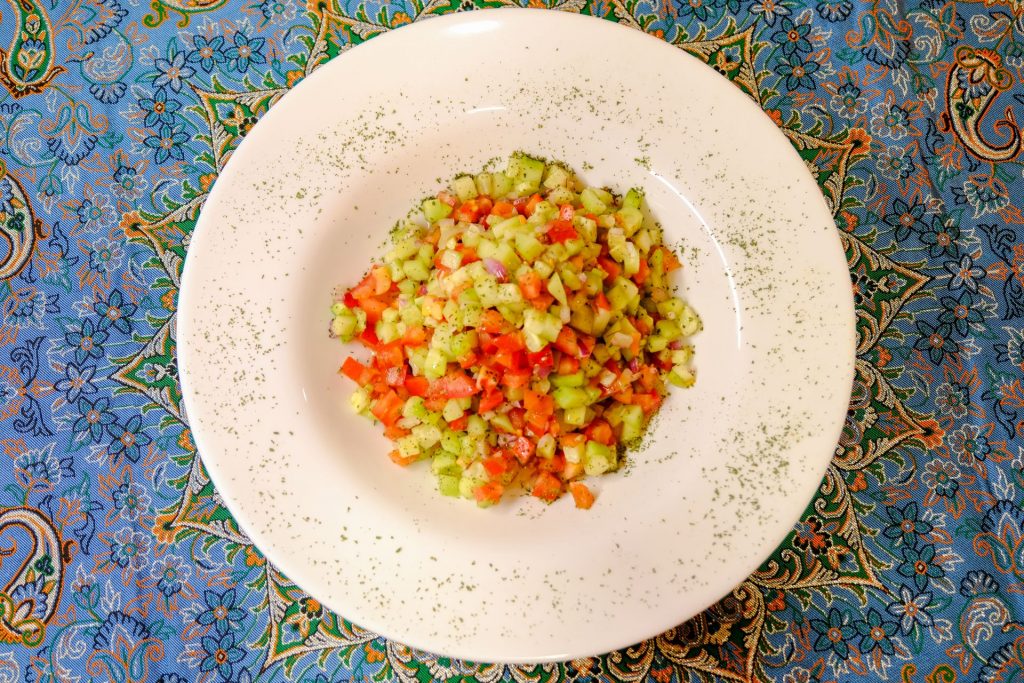
Un Ambiente Acogedor con Alma Iraní
El interior de PARSI ha sido diseñado para transmitir la calidez y hospitalidad que definen la cultura iraní. Desde la decoración hasta la música ambiental, cada detalle crea un entorno elegante y relajado donde la comida se disfruta sin prisas.
Así entienden los iraníes la gastronomía — no solo como alimentación, sino como una experiencia compartida de cultura, conversación y cuidado.
Reserva tu Mesa en PARSI
PARSI es uno de los restaurantes halal más reconocidos de Madrid y las plazas se llenan rápido — especialmente los fines de semana.
📍 Calle Luisa Fernanda 8, 28008 Madrid — cerca de Plaza de España 📞 +34 649 72 80 81 🕐 Abierto todos los días: 13:00 – 00:00 · Cocina abierta de forma continua
Preguntas Frecuentes
¿PARSI es un restaurante halal certificado en Madrid? Sí. En PARSI utilizamos carne halal certificada y elaboramos todos nuestros platos siguiendo principios halal, ofreciendo una experiencia de confianza en el centro de Madrid.
¿Qué tipo de cocina sirve PARSI? Cocina persa e iraní tradicional. Nuestra carta halal incluye kebabs persas, guisos iraníes, arroces con azafrán y especialidades de temporada, todo elaborado con carne halal certificada.
¿Dónde está ubicado PARSI? En Calle Luisa Fernanda 8, 28008 Madrid — a pocos minutos de Plaza de España.
¿Es PARSI adecuado para familias y grupos? Sí. PARSI es ideal para cenas en familia, parejas y grupos que buscan un ambiente tranquilo y elegante con cocina halal auténtica en el centro de Madrid.
¿Cuál es el horario de PARSI? Abierto todos los días de 13:00 a 00:00, con cocina abierta de forma continua.
¿Necesito reservar? Se recomienda reservar, especialmente para noches de fin de semana. Puedes hacerlo online o llamarnos al +34 649 72 80 81.
¿Tiene PARSI opciones vegetarianas? Sí. Varios platos de nuestra carta son naturalmente vegetarianos, elaborados con ingredientes frescos siguiendo la tradición culinaria persa.
¿Por qué elegir PARSI como restaurante halal en Madrid? PARSI es el único restaurante halal en Madrid que combina cocina iraní auténtica, carne halal certificada, Premio TripAdvisor Travellers’ Choice 2025 y ubicación privilegiada junto a Plaza de España.